

700,000 autistic
adults & children in the UK
1 in 100
people affected
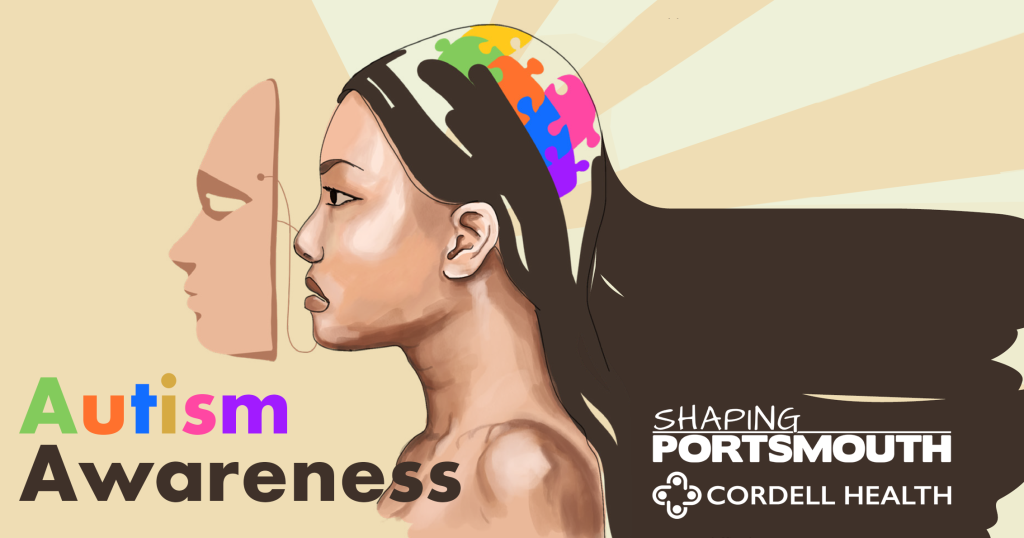
Autistic Spectrum Disorder (ASD) is a wide range of differing communication styles, preferences, behaviours, interests, and sensory processing differences.
What is masking?
Masking is when someone is hiding autistic traits, whether this is consciously or unconsciously, and imitating non-autistic behaviour to fit in or avoid judgement. People can mask because they feel it reduces immediate harm, for example avoids bullying or harassment, helps to keep a job or progress in an interview, reduces social rejection, and meet people’s expectations.
For some, masking can be draining or exhausting and there will be periods of time when someone briefly unmasks. This doesn’t mean they suddenly stop caring about others, but they allow themselves to present behaviours such as allowing themselves to stim, reducing forced eye contact, and communicating needs in a more direct way.
Diagnosis
Autism cannot be diagnosed through your GP. It requires a specialist referral to a multi-disciplinary team which can be done through the NHS, however there are currently long waiting times.
The process for diagnosing doesn’t include blood tests or scans, it’s purely based on interviews and questionnaires which are then reviewed by a qualified professional.
There are many unqualified or non-accredited people currently filling the private sector so it’s important to make sure you go through your GP for a proper referral or make sure to check the qualifications if you’re looking to go through private diagnosis.
It’s also important to note that someone can have more than one neurodiversity or mental health condition. It’s very common for people with autism to also be diagnosed with anxiety, depression, OCD, ADHD or a combination.
Treatment
Currently there is no evidence to suggest that medication, special diets, vitamins or mineral supplements are an effective way to treat autism.
Currently there is no evidence to suggest that medication, special diets, vitamins or mineral supplements are an effective way to treat autism.
Group based learning programmes and supported employee programmes are currently good sources of support, however talking to a professional and getting advice on adjustments that might be helpful and other places for support is the best place to start.
Autism in the workplace
Autistic people can be a huge asset in the workplace consequently contributing to a diverse team.
Examples of some of these strengths are:
- Focus
- Attention to detail
- Problem solving skills
- Creativity
- Honesty
- Dedication
Of course, there are some aspects that can be more challenging but with the right support these can be greatly improved. For example:
- Difficulty forming and maintaining relationships
- Difficulties with non-verbal cues
- Inflexibility
- Sensory difficulties
- Anxiety
It’s important to work with someone with autism to find the most effective methods of support to create the most productive environment. Involve them in conversations, ask them what they might need, and keep the conversation open.